Since 2011
Our Story on Robertsvlei Road
How a run-down farm above Franschhoek became Swaelkloof: old vines, a stone cellar and two people who would not let it go.
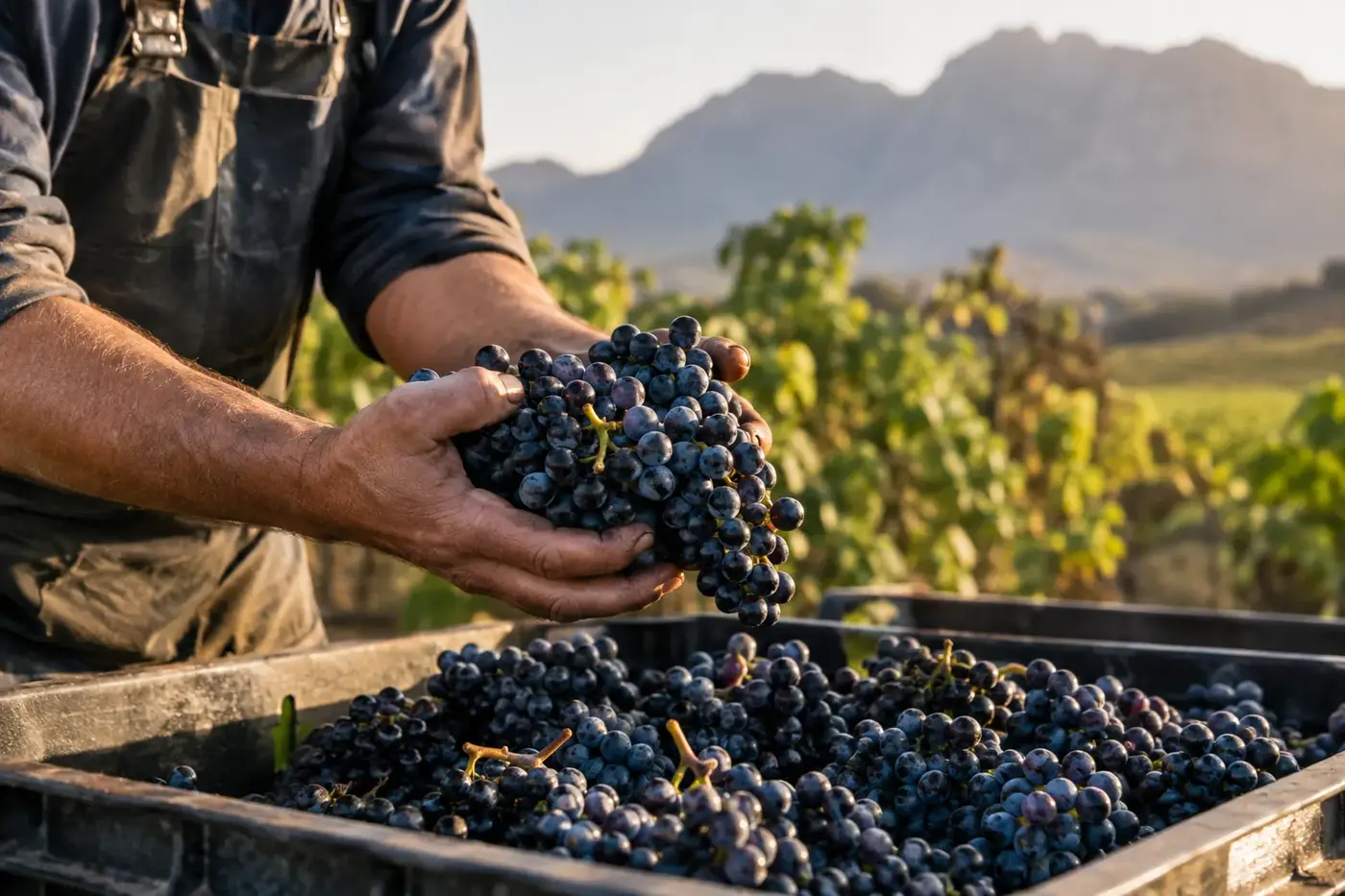
In Anele's Words
“Every spring the swallows come back to nest under the eaves of the old cellar, and we take it as the sign that the year has turned.”
The Farm’s Years
Three Centuries on One Slope
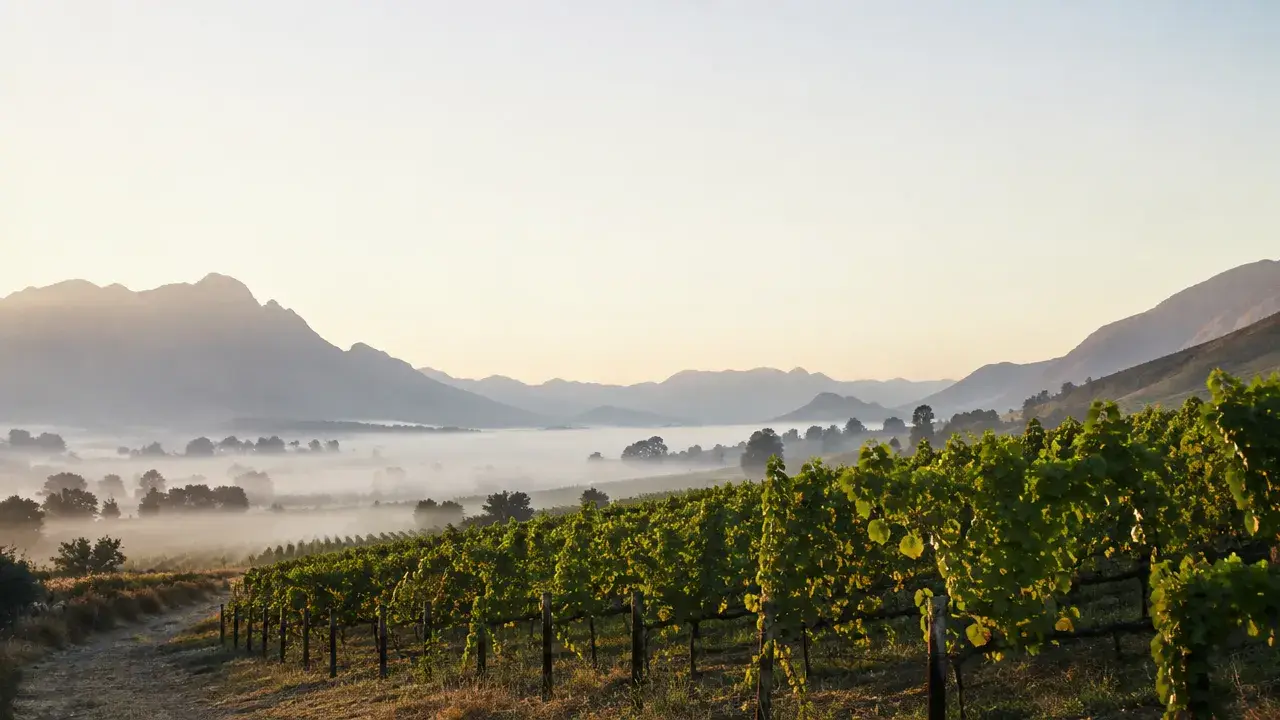
The land has been growing vines since the Huguenots arrived in the valley. We are the most recent people to look after it.
-
1694
The First Vines
The land is granted to a Huguenot refugee family, who plant the valley’s first vines on this slope.
-
1898
The Stone Cellar
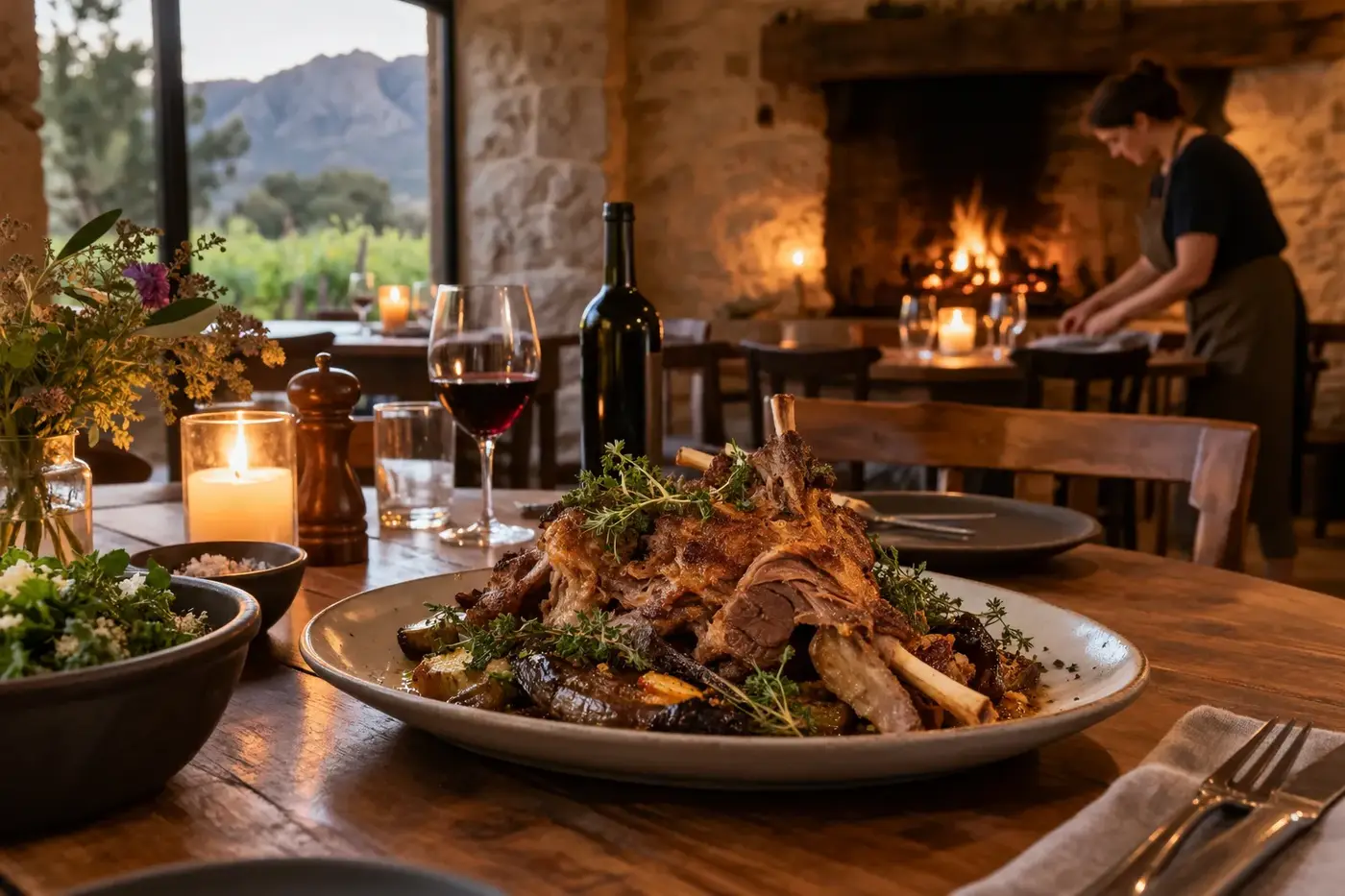
The cellar is built from stone off the farm. It still stands, and Die Swael now cooks inside it.
-
2011
Anele and Johan Buy the Farm
The farm is run down when they take it on. Replanting starts the same season, block by block.
-
2014
The First Swaelkloof Vintage
The first wine under our own label goes into bottle, three years after the keys changed hands.
Then the Farm Opened Its Doors
Wine came first. The restaurant and the cottages followed, so that people could stay long enough to see the place properly.
-
2019
Die Swael Opens
Head chef Sipho Mthembu takes the 1898 cellar and cooks what the farm and the valley give that week.
-
2023
Three Cottages Among the Vines
Vineyard Cottage, Olive Grove Cottage and Swallow’s Nest open, each with a private stoep and a breakfast basket.
-
Every Spring
The Swallows Return
They nest under the eaves of the old cellar, which is where the name Swaelkloof, swallow ravine, comes from.
-
Every Harvest
The 1978 Block by Hand
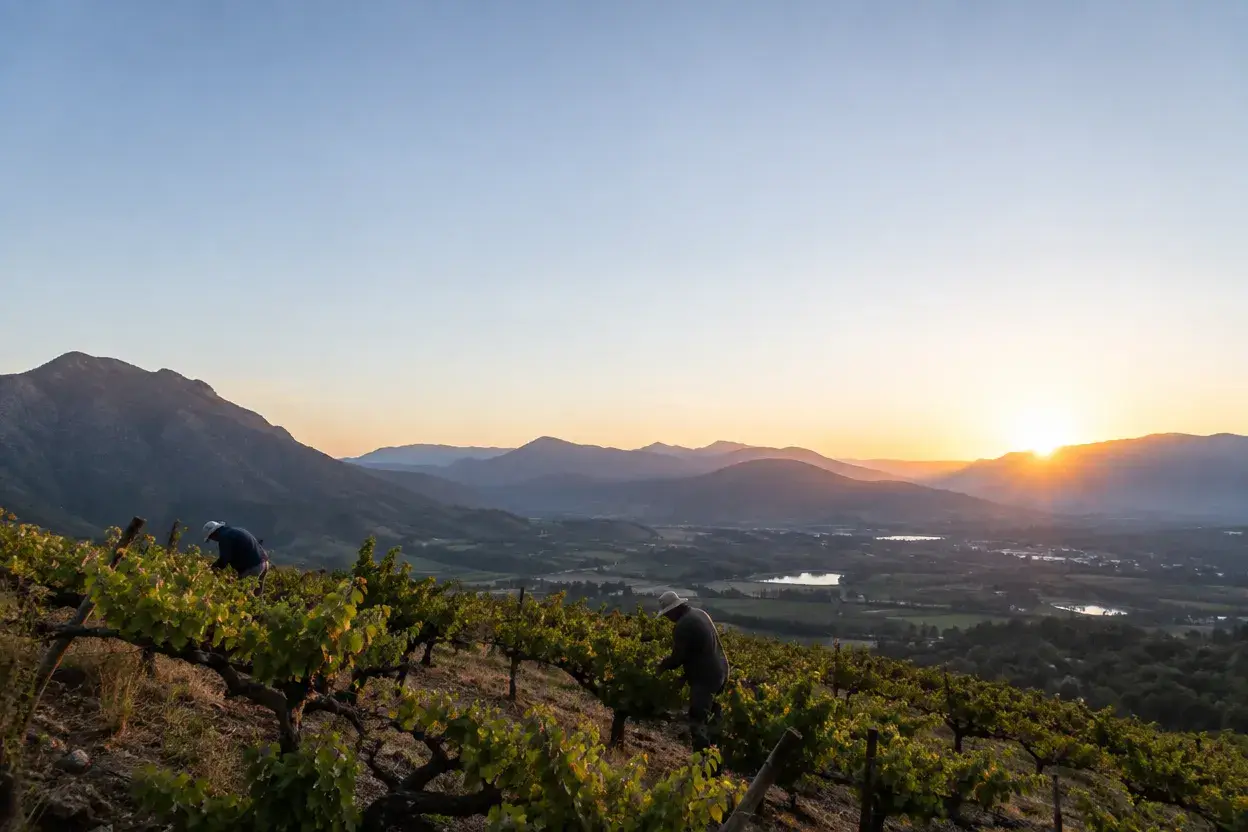
The oldest Chenin Blanc block is picked by hand, as it has always been, and it makes our Old Vine Chenin.
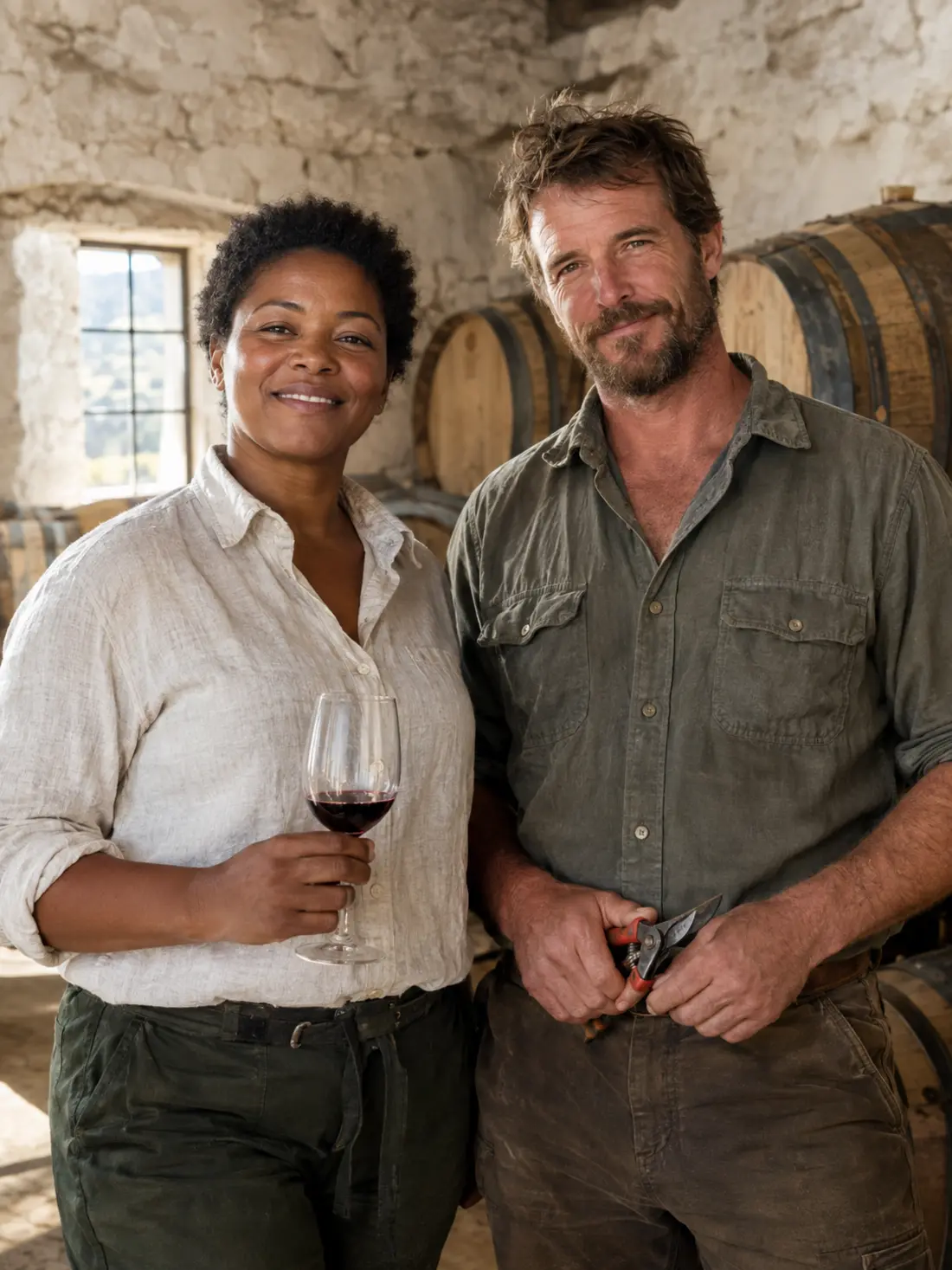
Winemaker and Viticulturist
Anele Mahlangu and Johan Visagie
Anele makes the wine and Johan farms the vines. They bought the farm together in 2011, replanted the tired blocks and kept the 1978 Chenin Blanc exactly as they found it, farmed by hand. The first Swaelkloof vintage followed in 2014.
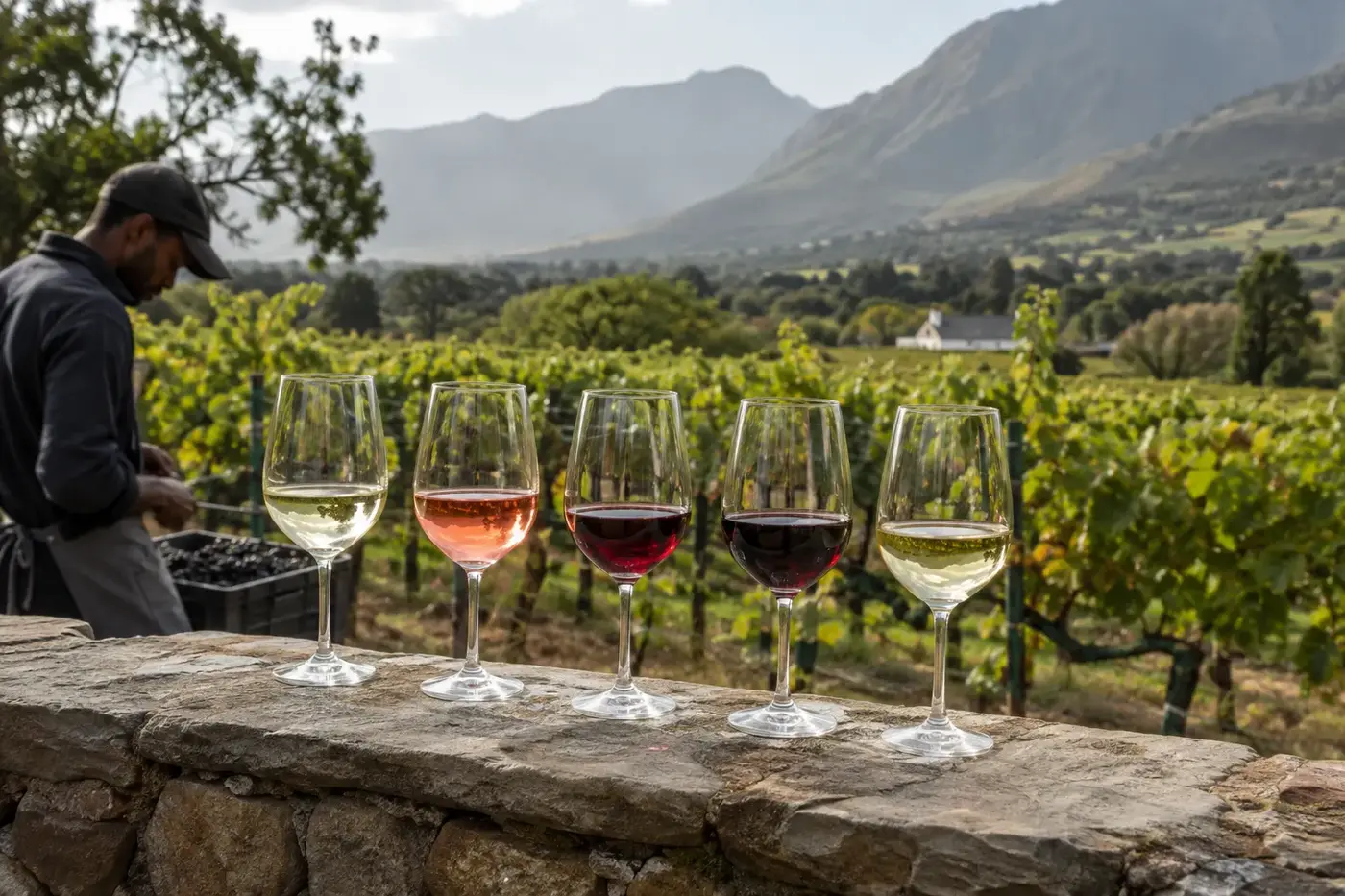
The farming is deliberately old-fashioned where it matters: cover crops between the rows, no herbicides, and a flock of ducks that work the snails. Anele still pours at the Reserve Tasting on the cellar terrace when she is not in the cellar, and Johan is usually somewhere between 280 and 420 metres, in the vines.
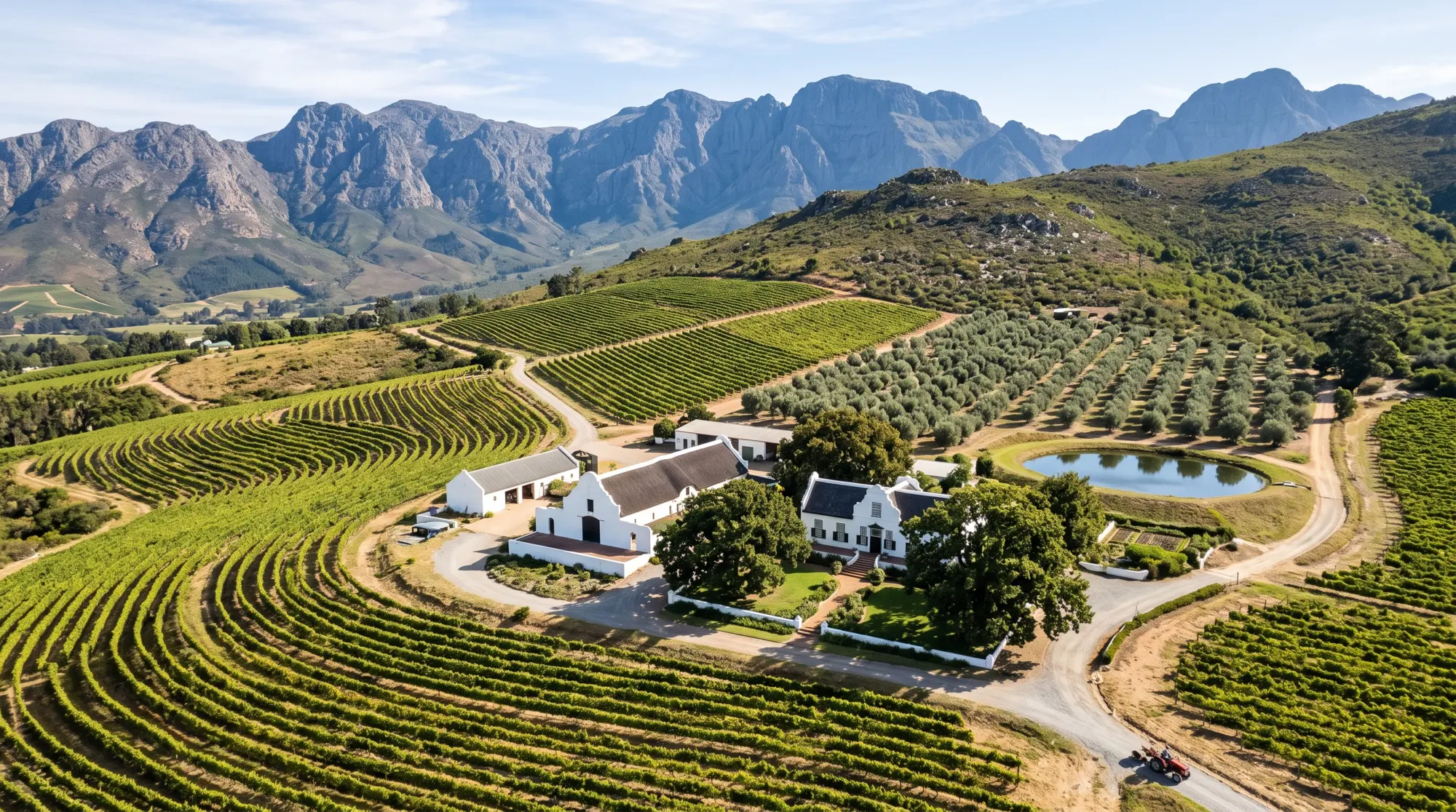
The Farm in Numbers
What the Title Deed and the Slope Add Up To
- 38haThe farm, on the slopes above the town
- 22haOf it under vine, block by block
- 280to420mAbove sea level, cellar door to top block
- 1978The Chenin Blanc block, still picked by hand
- 1898The stone cellar, built from the farm’s own rock
- 400Olive trees in the grove, pressed each winter
Recognition
Recognition Along the Way
Awards and scores our wines, our farming and Die Swael have collected since the first vintage.
- Gold2025Franschhoek Valley Chenin Challenge, Old Vine Chenin Blanc 2023
- Top 52024Cape Winelands Semillon Awards
- 94 Points2023Winelands Review, Swaelnes 2019
- Top 202025Boland Restaurant Guide, Die Swael
- Winner2024Cape Green Farming Award
The Place Itself
Vines, cellar, grove and terrace, through a year on the slope.
-
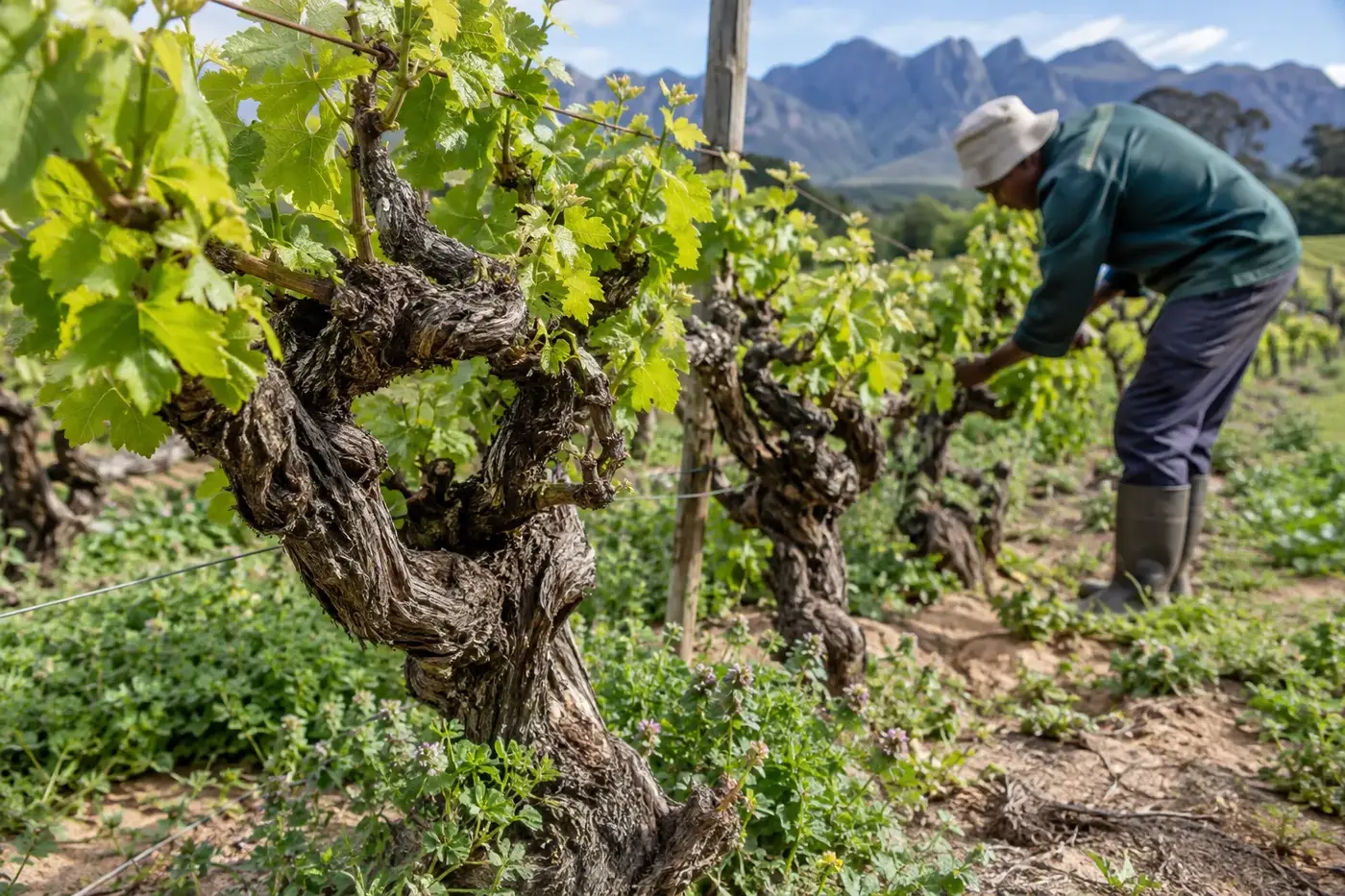
The 1978 Chenin block, still picked by hand -
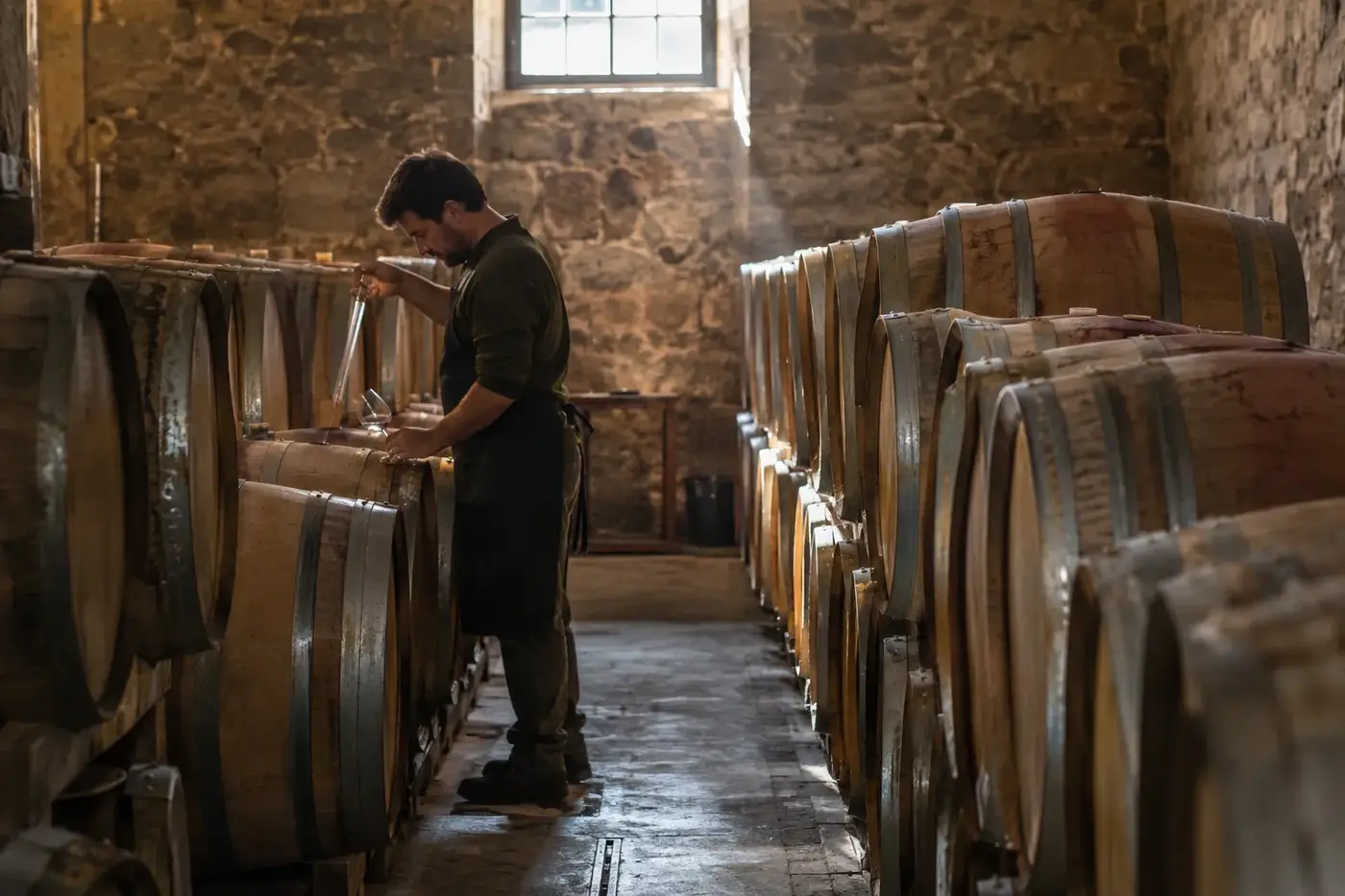
French oak in the 1898 cellar -
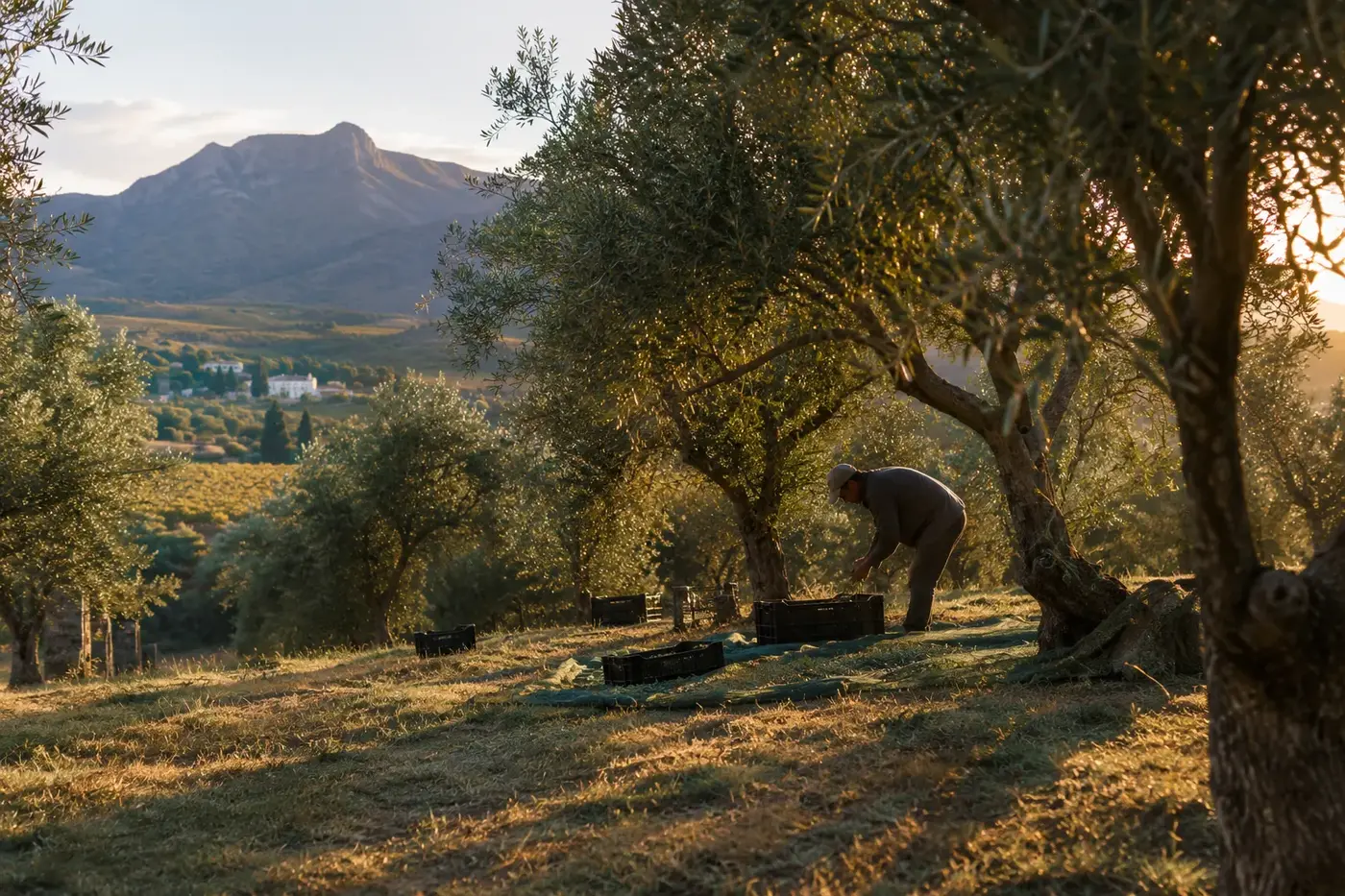
The olive grove, 400 trees -
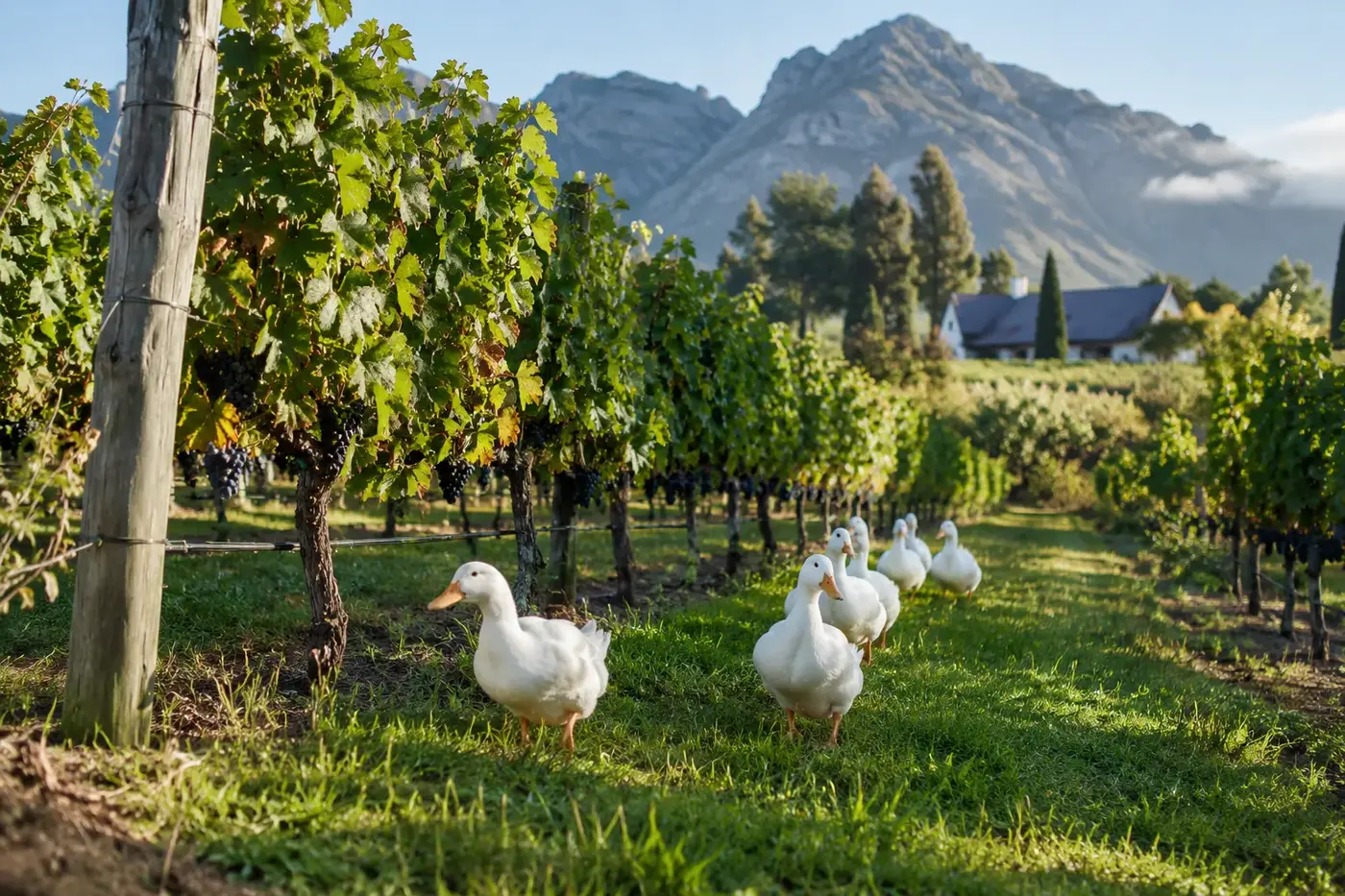
The duck flock, on snail duty -
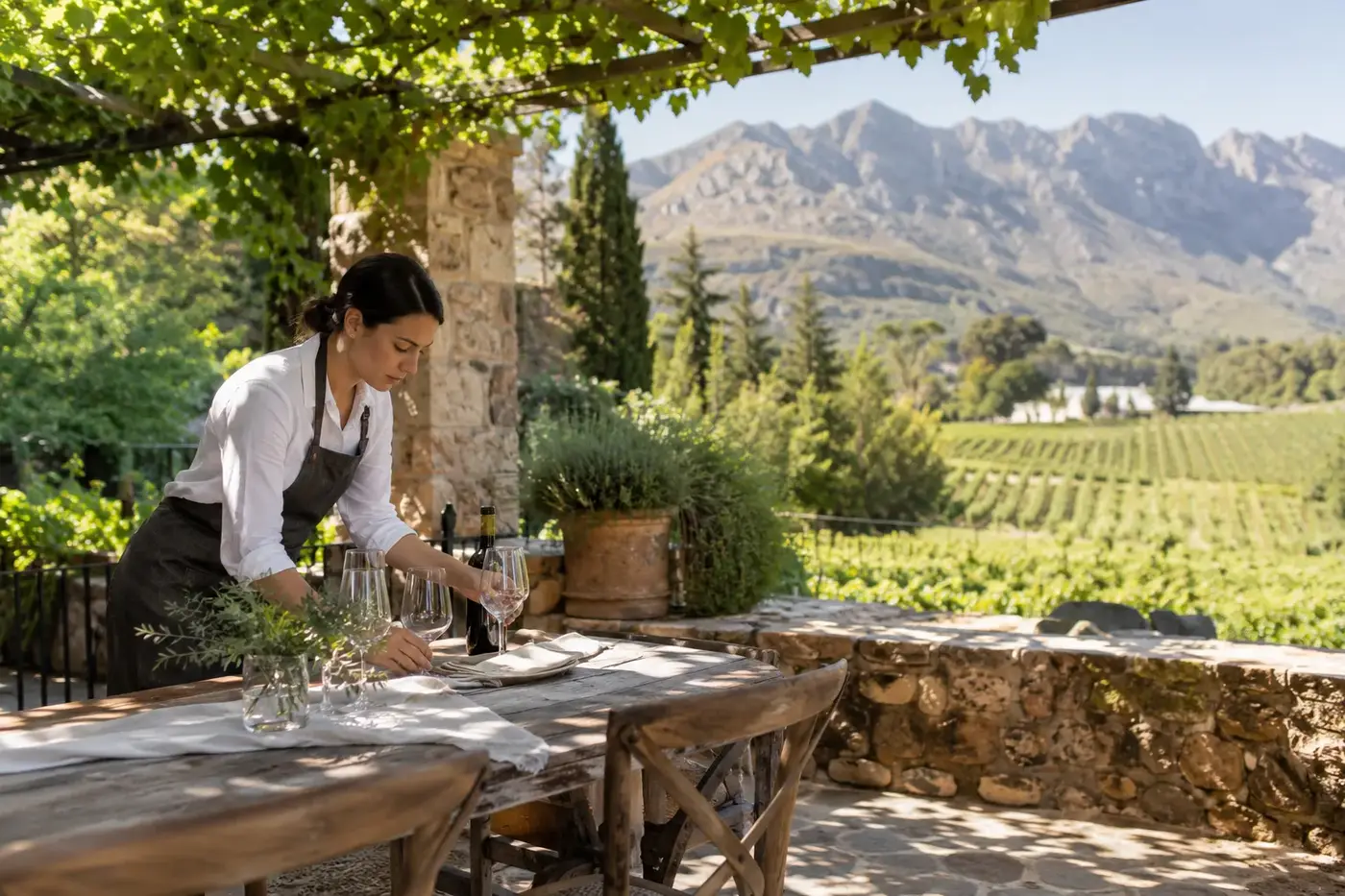
The cellar terrace, where the Reserve Tasting sits -
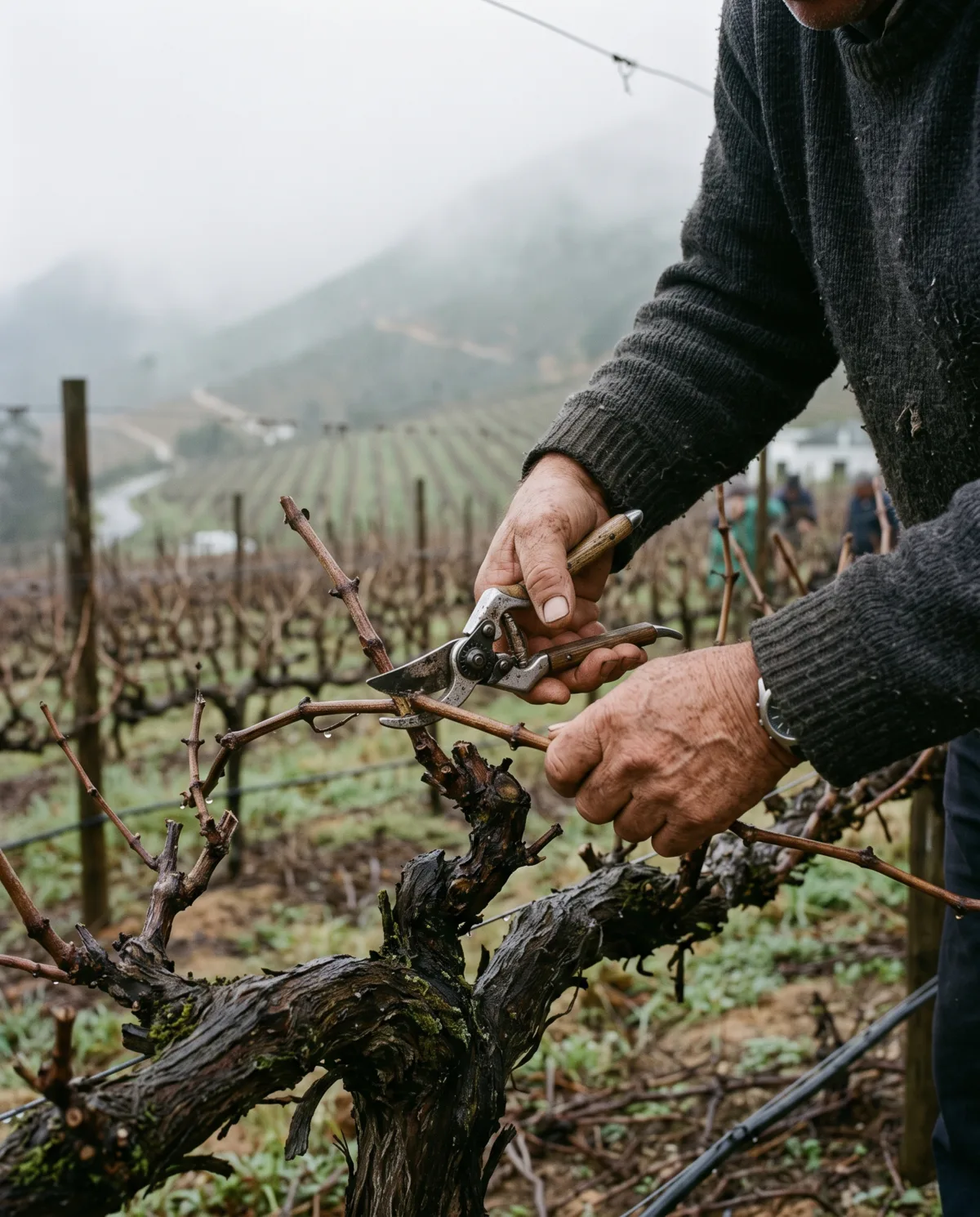
Pruning the old bush vines, July mist