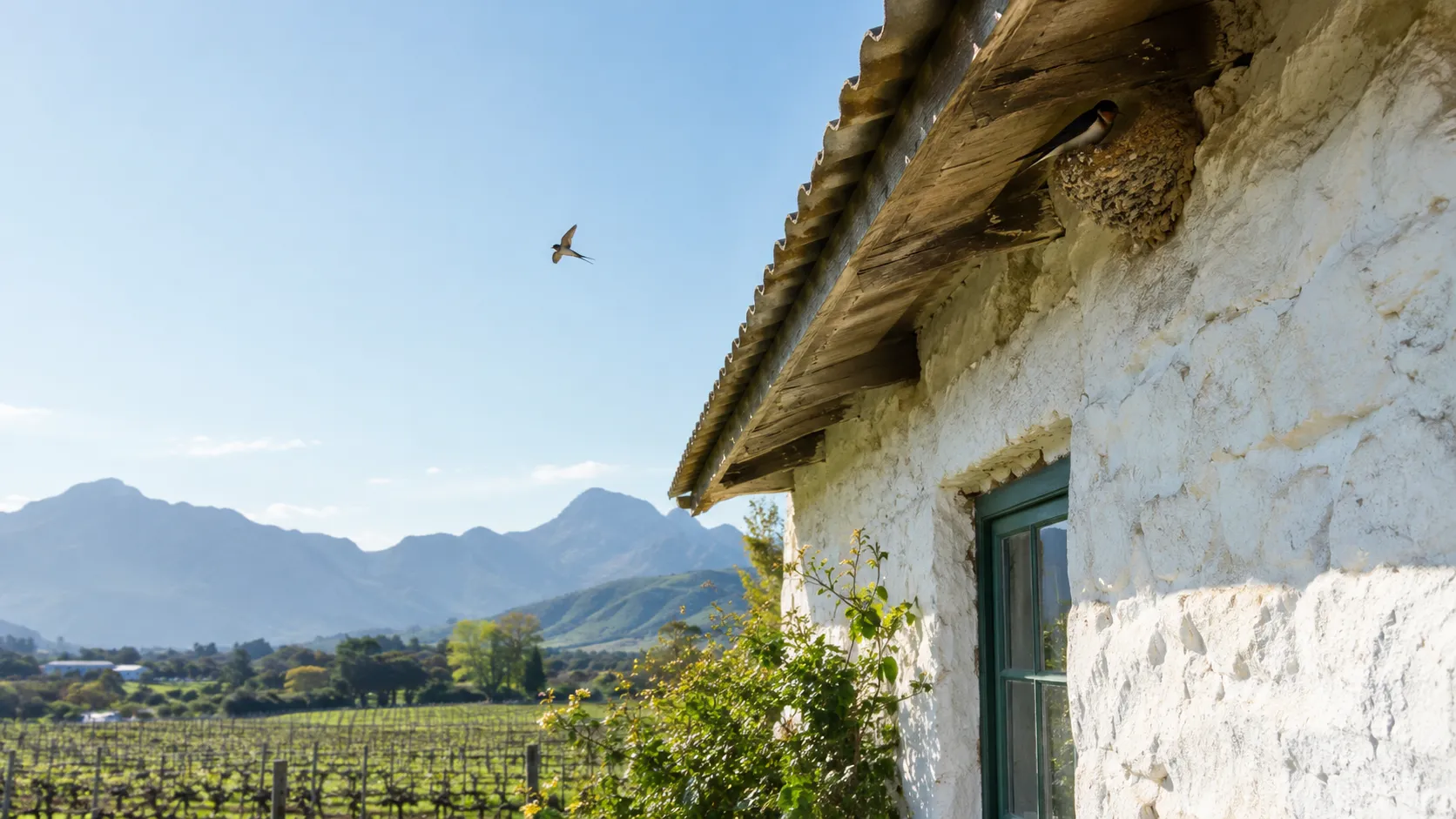
Swaelkloof means swallow ravine. The name came with the land long before we did, and for a few weeks every year it explains itself without any help from us. The birds arrive in spring, they find the same eaves on the 1898 stone cellar that their line has used for longer than anyone here can count, and the farm settles into its loudest, busiest season.
The Eaves of the 1898 Cellar
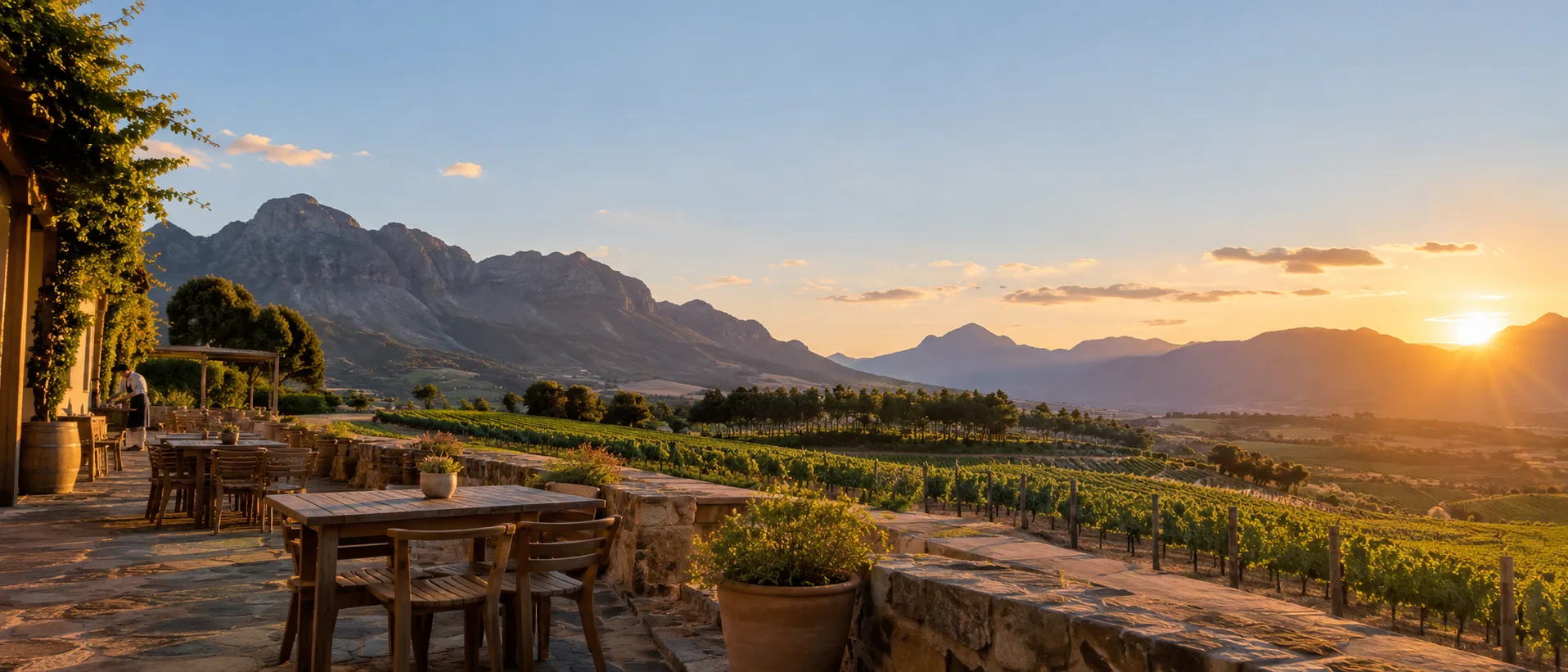
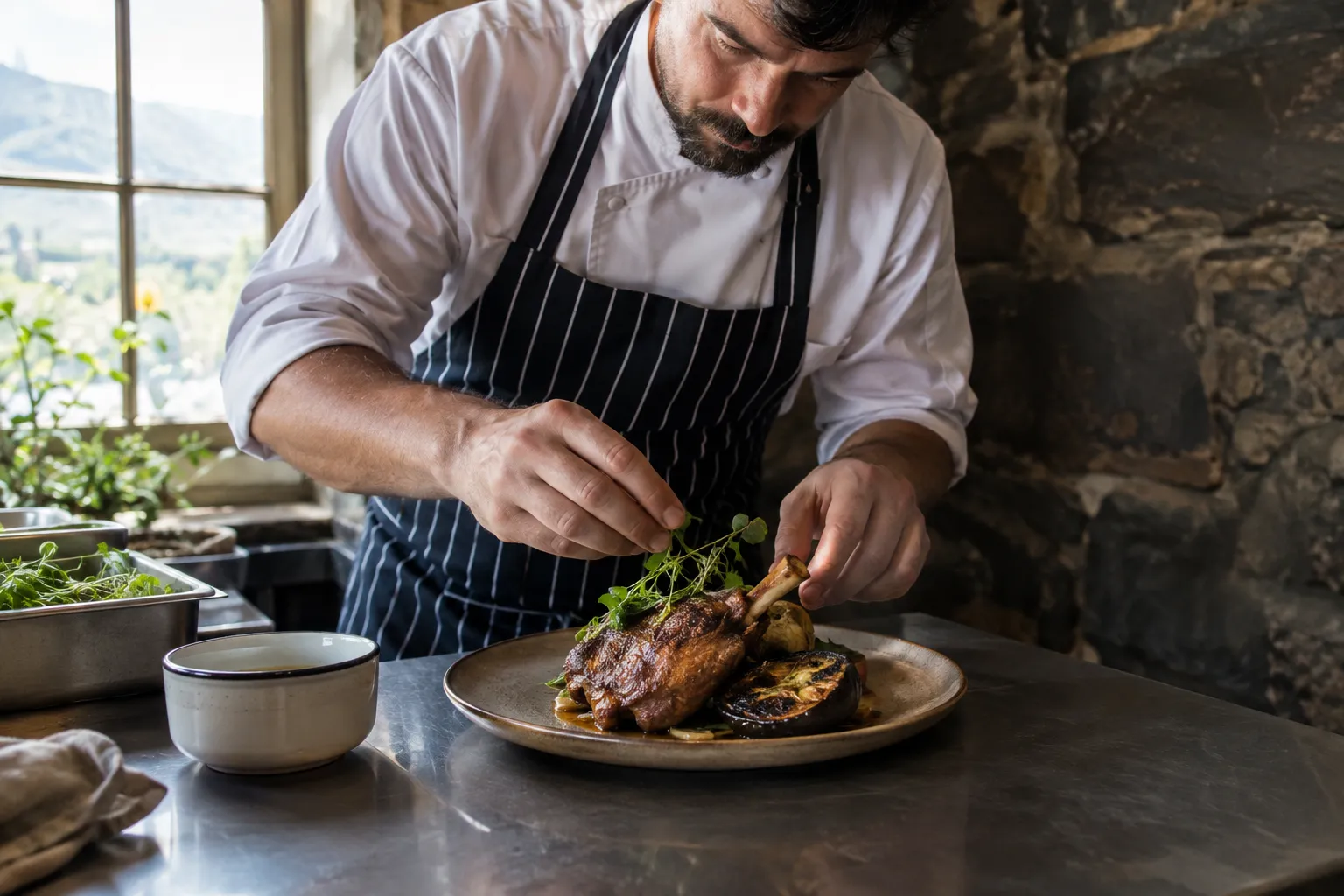
The cellar was built in 1898, a low stone building with deep eaves and a cool dark inside. Die Swael, our restaurant, has been in it since 2019, and on a spring lunchtime you can sit at a table below a working nest and watch the shuttle runs come and go over the lawn. Nobody knocks the nests down. We work around them, we ask our contractors to work around them, and the mud cups stay on the beams through winter waiting for the birds to come back and patch them.
The valley narrows behind the farm into the ravine that gives the place its name, with the Franschhoek mountains standing up behind the vines. Warm air comes up that gap in the afternoon and the swallows ride it. It is the same air that cools our slopes at night, which is a large part of why our Sauvignon Blanc tastes of fynbos and lime rather than anything heavier.
Birds Are a Farming Report
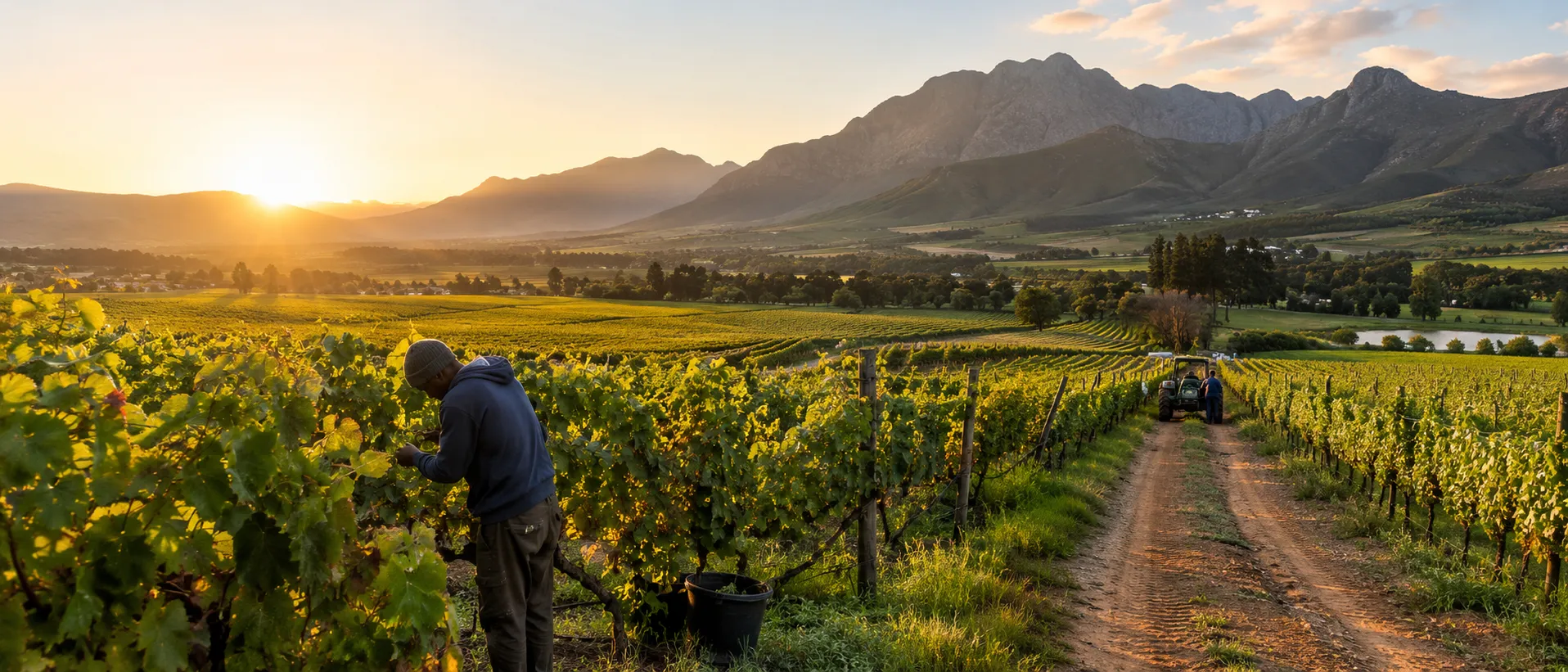
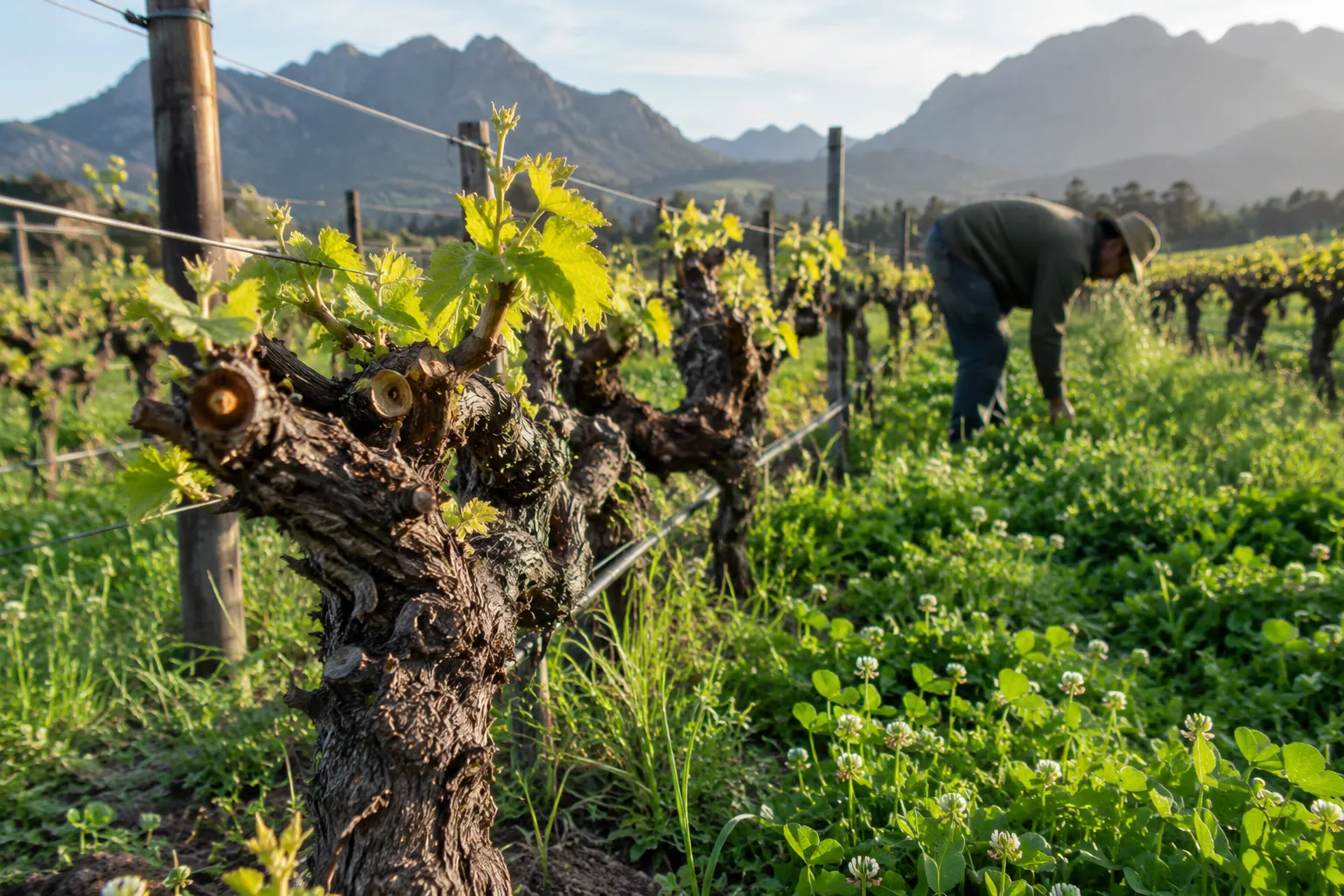
A swallow eats insects on the wing, all day, in enormous numbers. A farm that sprays hard has fewer insects and fewer birds, and the quiet is easy to miss until you have heard the alternative. When Johan and I bought this run-down farm in 2011 we made a small number of decisions and have mostly stuck to them: cover crops between the rows, no herbicides, and a flock of ducks who work the blocks for snails far better than we could.
The birds came back in numbers before the vines did. That was the first sign we had chosen right.
The cover crops hold the soil through the winter rain, feed it when we turn them in, and keep something living between the vines all year. The ducks are not decorative. They go out in a noisy line, they clear the snails, and they go home. The Cape Green Farming Award in 2024 was a welcome nod, but the honest measure is what the place sounds like in October.
The 1978 Block, Still by Hand
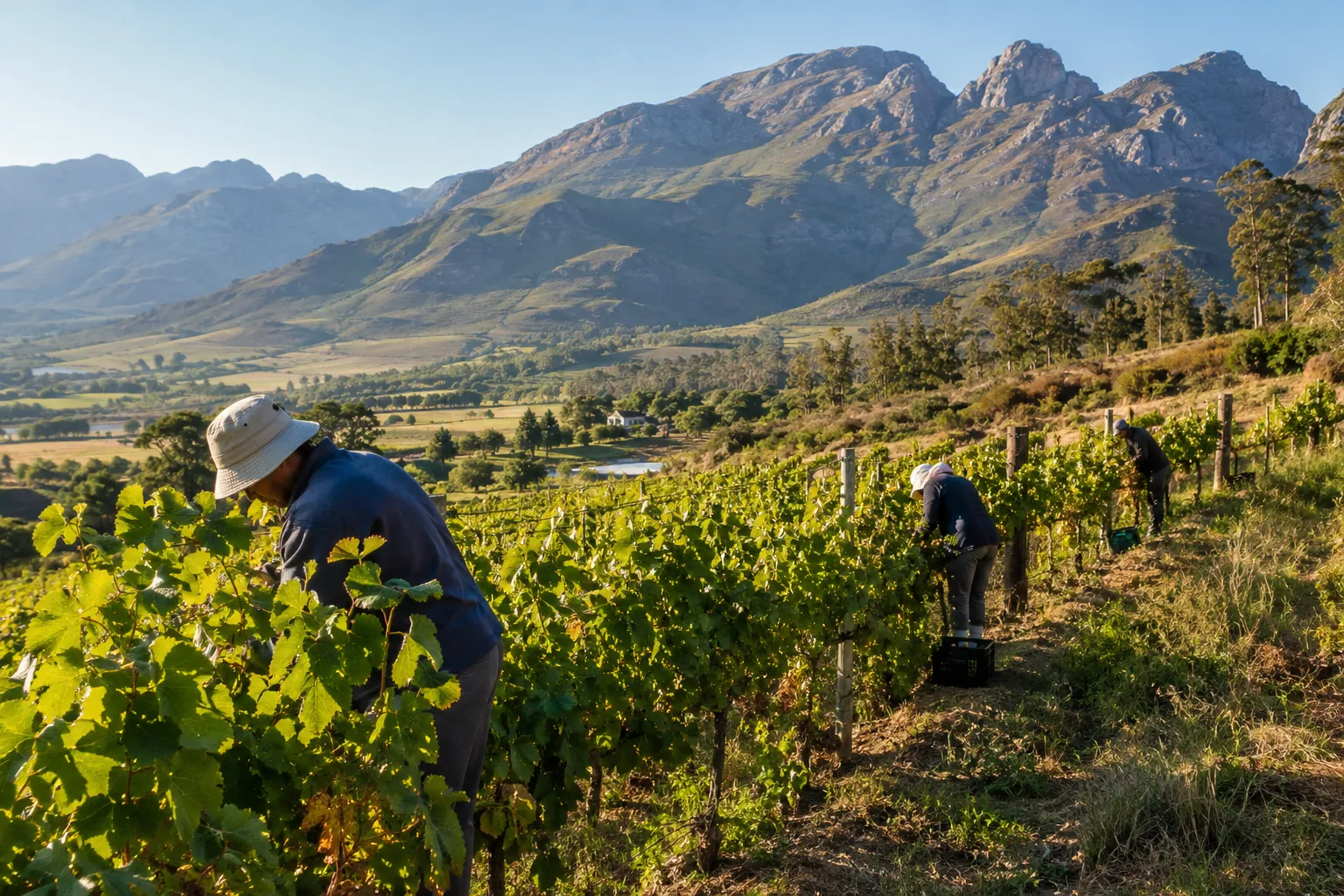
Our oldest vines are a block of Chenin Blanc planted in 1978. Gnarled, low-yielding, awkward for machines, and worth every bit of the trouble. That block is pruned, suckered and picked by hand, and it makes the Old Vine Chenin Blanc: quince, honey and a long bright finish. It sits about as far from the cellar as a swallow flies in a few seconds, and in spring you can watch them working the rows above the young canopy.
Around it sit 22 hectares under vine on a 38 hectare farm, plus an olive grove of 400 trees that gives us the estate olive oil. The Huguenot family granted this land in 1694 planted the first vines here. We are late arrivals, and the swallows were here before all of us.
Come and Watch Them
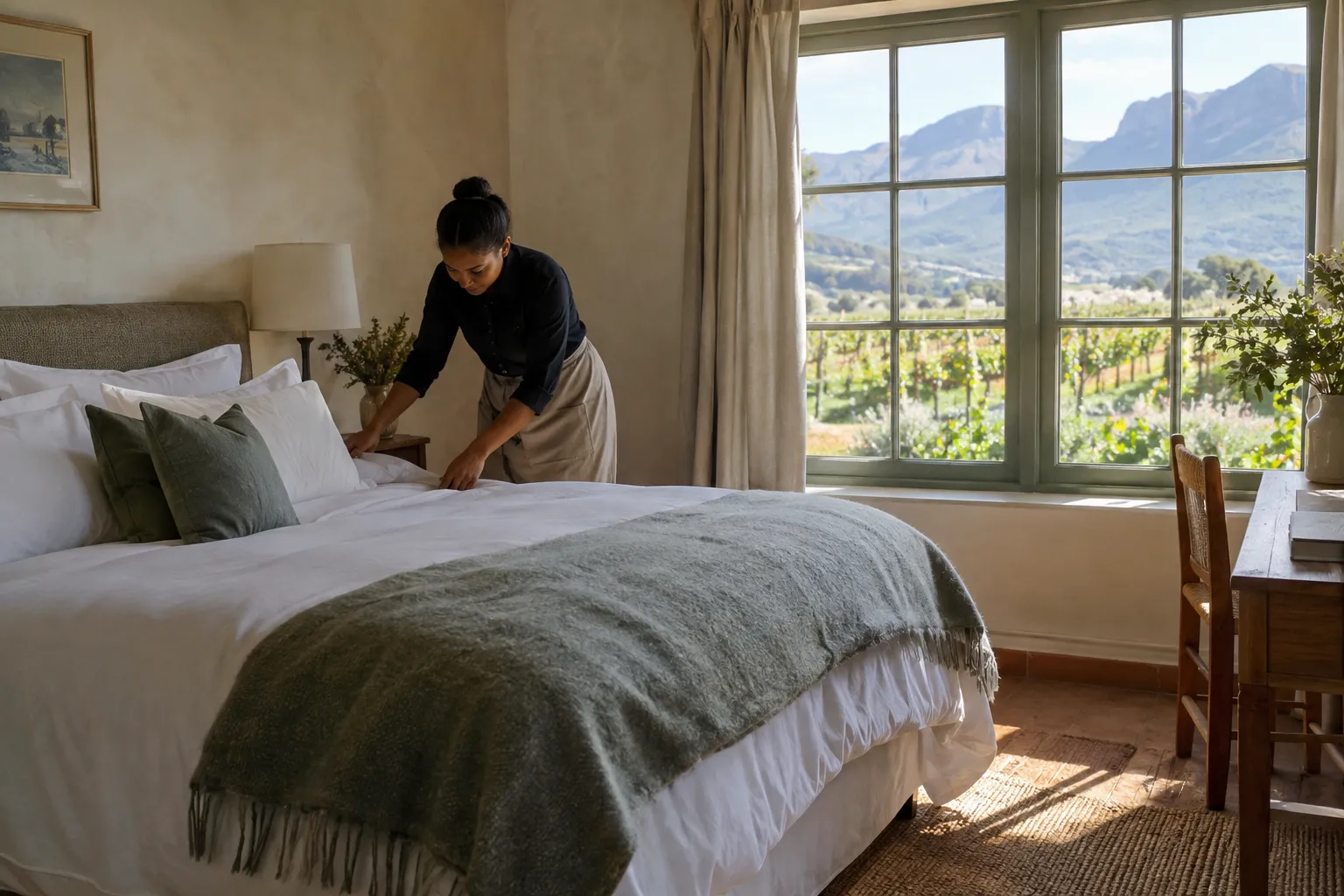
Spring is the best time to see it. The tasting room is open daily from 10:00 to 17:00, the cellar tour runs at 11:00 and 15:00, and the terrace at Die Swael puts you underneath the nests with a glass in your hand. Guests in the cottages tend to notice the swallows first thing in the morning, on the stoep, before the coffee.
If you would like the longer version of how this farm came back, from the 1694 land grant to the first Swaelkloof vintage in 2014, it is all on Our Story.
Written by Anele Mahlangu, winemaker at Swaelkloof, 3 September 2026. Filed under Farm Life.