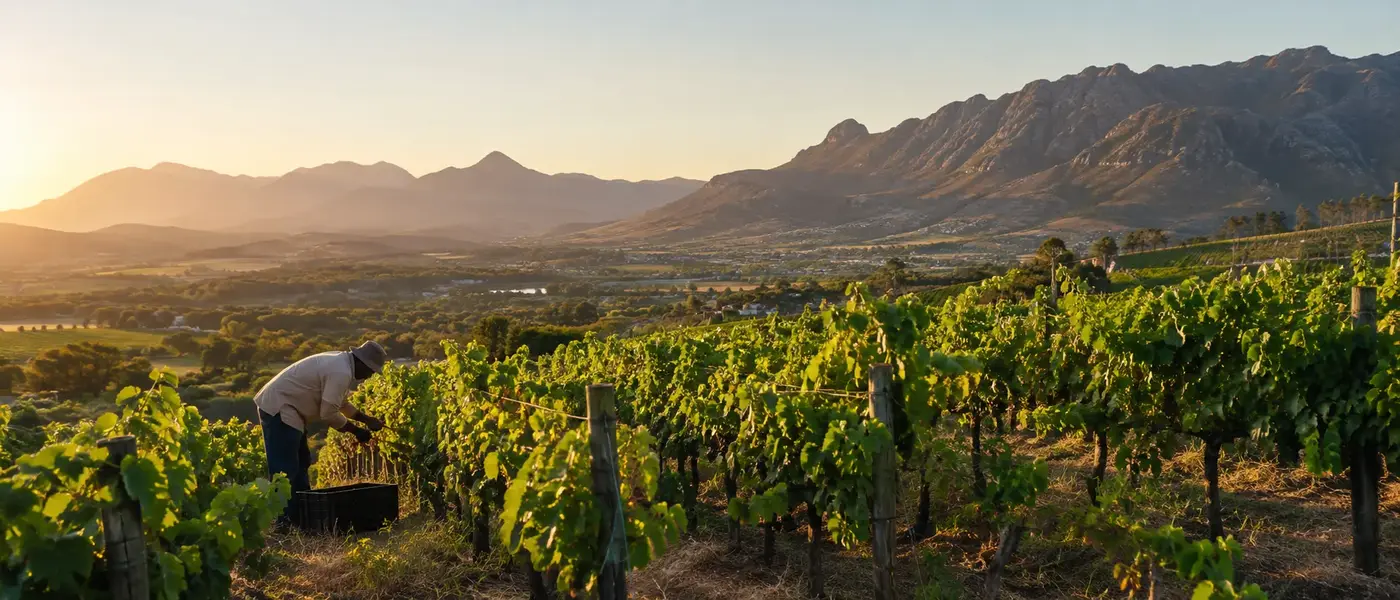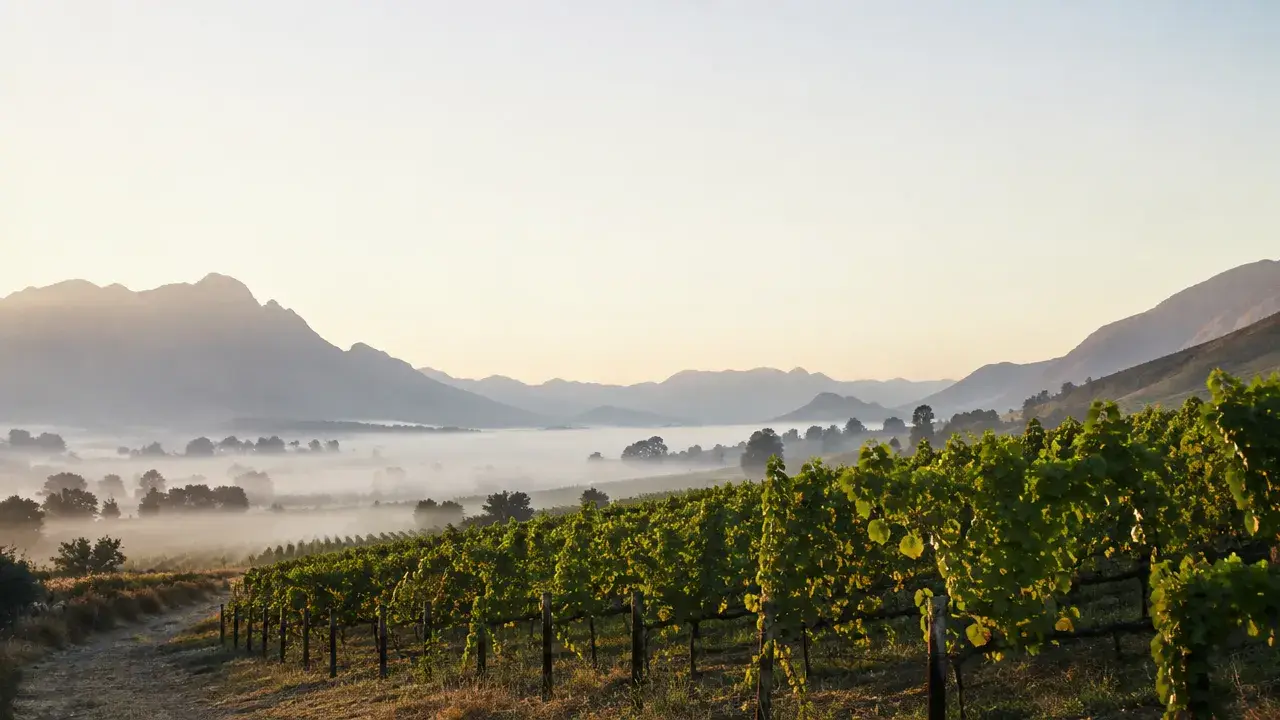
Harvest here always begins with a guess. You walk the blocks in January, taste the berries, look at the numbers, and pick a week. This year the guess was wrong by almost a fortnight, and we were glad of it.
February 2026 stayed cool on these slopes. The mornings came in grey off the mountains behind the farm, the afternoons never built the kind of heat that pushes sugar up faster than flavour, and the vines simply took their time. From the first pick to the last load in the cellar we ran from mid February into the second half of March, which is a long harvest for us.
What a Cool Season Does to the Fruit
Slow ripening gives you two things that are hard to buy any other way: acid that holds, and flavour that has time to arrive. On the higher blocks, between 280 and 420 metres, the fruit came in with skins still firm and juice that tasted bright rather than broad. We picked earlier in the day than usual and pressed smaller loads, because there was no need to rush anything out of the sun.
Johan walked the rows with me most mornings. Cover crops between the vines, no herbicides, the ducks doing their work on the snails: none of that changes in a cool year, but it does mean the vines carry their own water well and do not panic when the weather turns about.
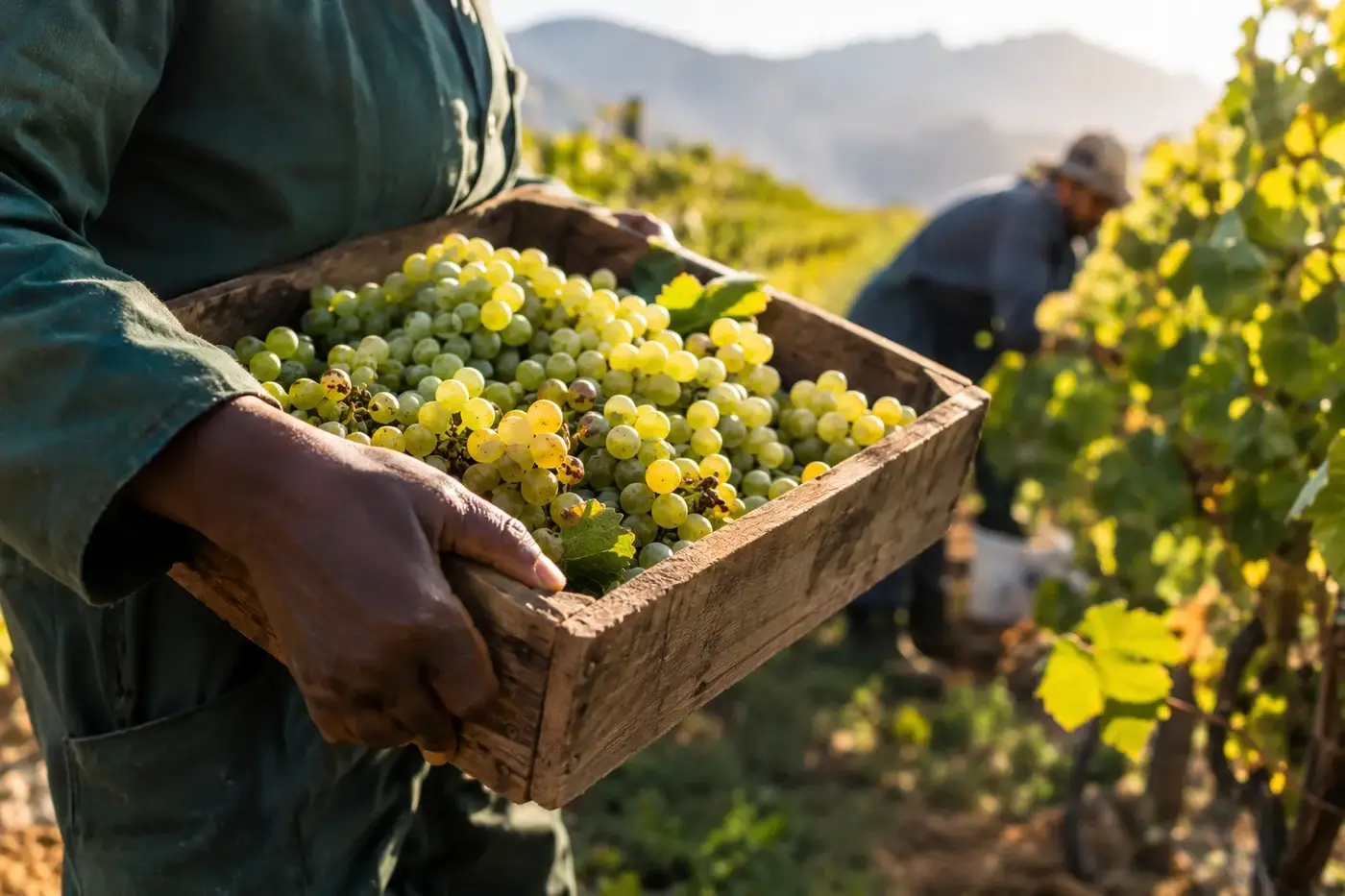
Picking the 1978 Chenin by Hand, at Dawn
The oldest block on the farm is Chenin Blanc planted in 1978, and it is still farmed and picked entirely by hand. There is no clever reason for that beyond the vines themselves. They are gnarled and uneven, they ripen in patches, and a machine cannot tell the difference between a bunch that is ready and one that needs another four days.
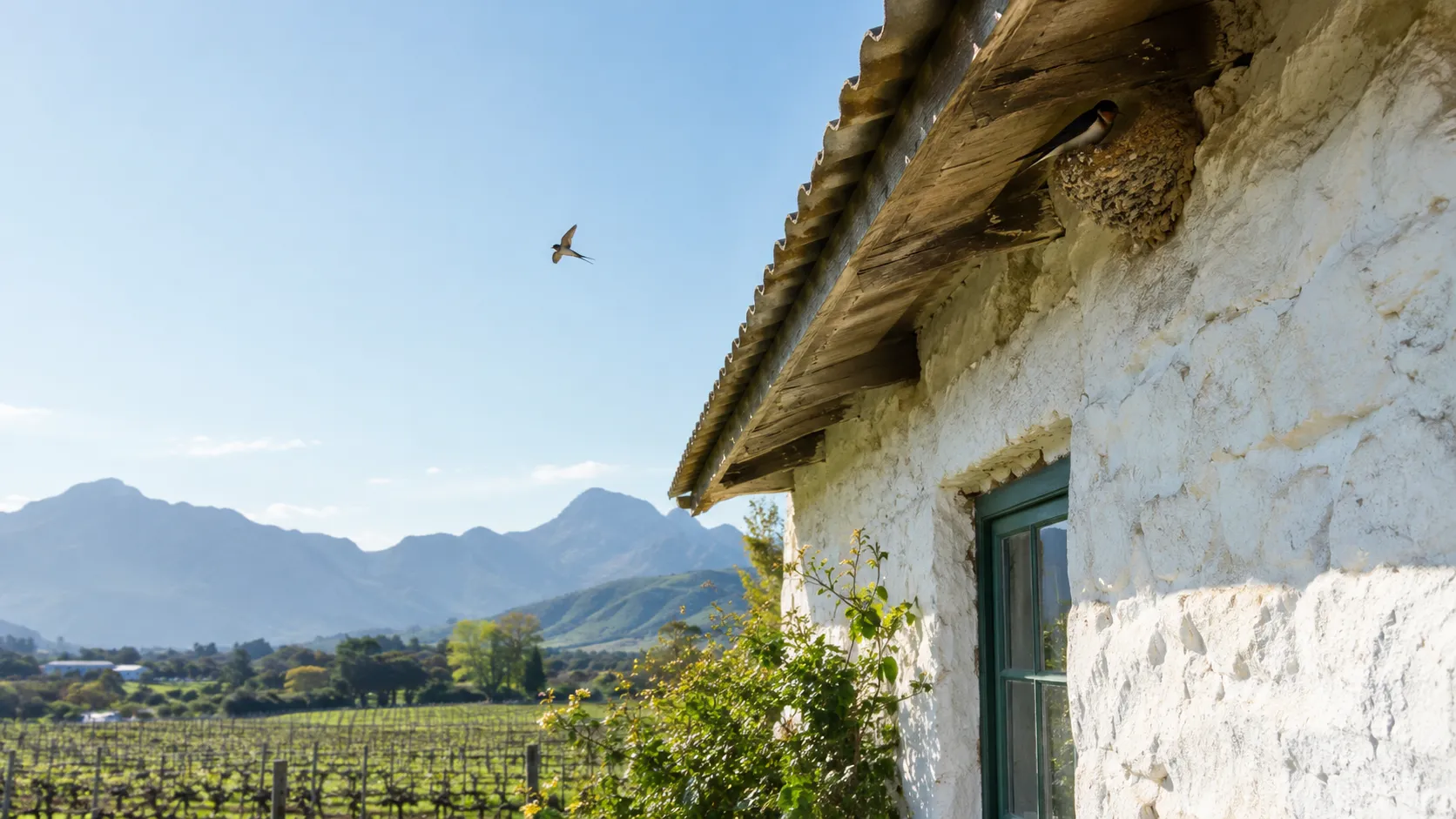
So we start in the dark. Headlamps, crates, the first swallows going over, and the whole block done in three passes over ten days rather than one sweep. By the time the sun is properly on the leaves the fruit is already in the press, which is the only way to keep that long bright finish the block is known for.
“The old Chenin decides when it is ready. All we do is turn up early enough to agree with it.”
The Syrah Was the Last In
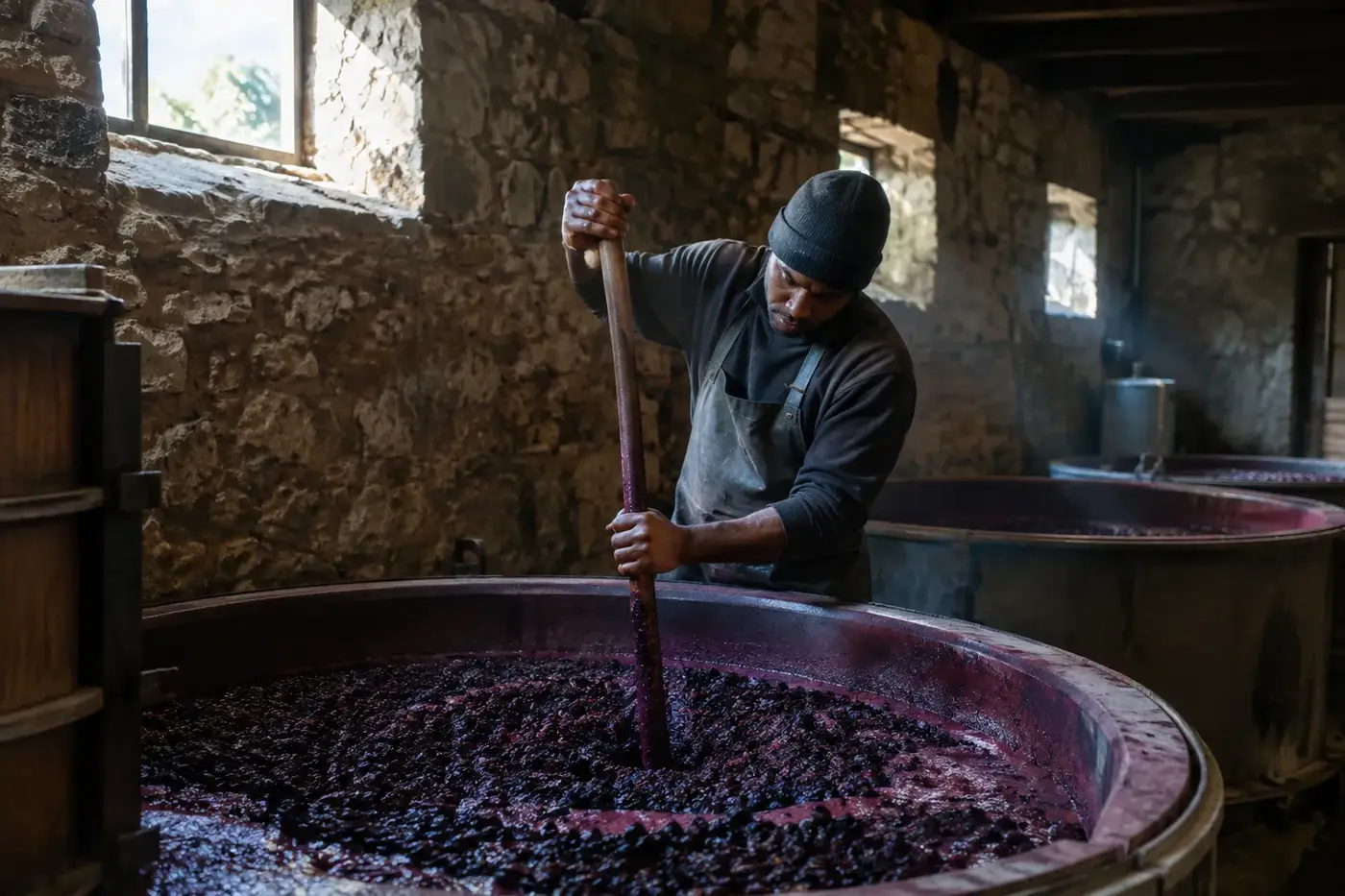
Reds are patient in a season like this. The Cabernet and the Merlot blocks came in through March at a steady pace, and then there was the Syrah, hanging on while everything else was already fermenting. It was the last fruit through the cellar door this year, by a good week.
That extra hang time in cool weather is exactly what the Syrah wants. The berries came in small, the stems had gone properly woody, and the ferments have been slow and quiet in a way that usually points to white pepper and dark plum rather than jam.
What to Expect From the Wines
It is early, and I would rather under-promise. The whites are the clearest story so far: tight, high-toned, with the kind of acid that makes a wine last rather than one that makes it sharp. The Chenin from the old block is doing what it does, quince and honey coming slowly. The Sauvignon Blanc tastes very much of this slope in a cool year, all fynbos and lime.
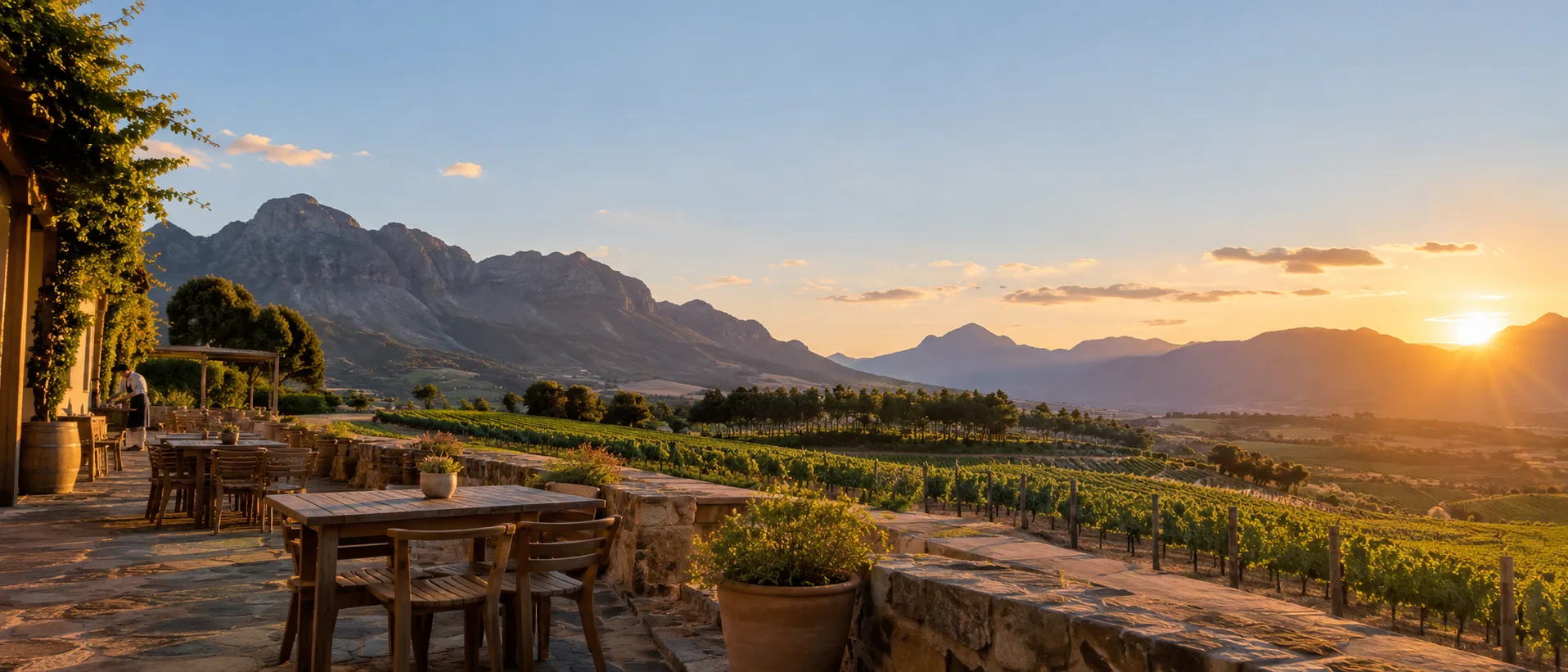
The reds need time before anyone says much about them. The Syrah looks the most interesting wine of the vintage to me, and Swaelnes will sit in French oak for its usual 22 months before we decide anything at all. Ask me again at the Spring Release Tasting in October, when the first of the 2026 whites go into glasses on the terrace.
If you want to taste the vintage before it, the current releases are poured daily at the cellar door from 10:00 to 17:00, and you can read more about the old block in Why We Still Farm Our 1978 Chenin by Hand. The full wine list is here, and What’s On has the harvest lunches and stomps for next season.
Anele Mahlangu, Winemaker, Swaelkloof Wine Estate